
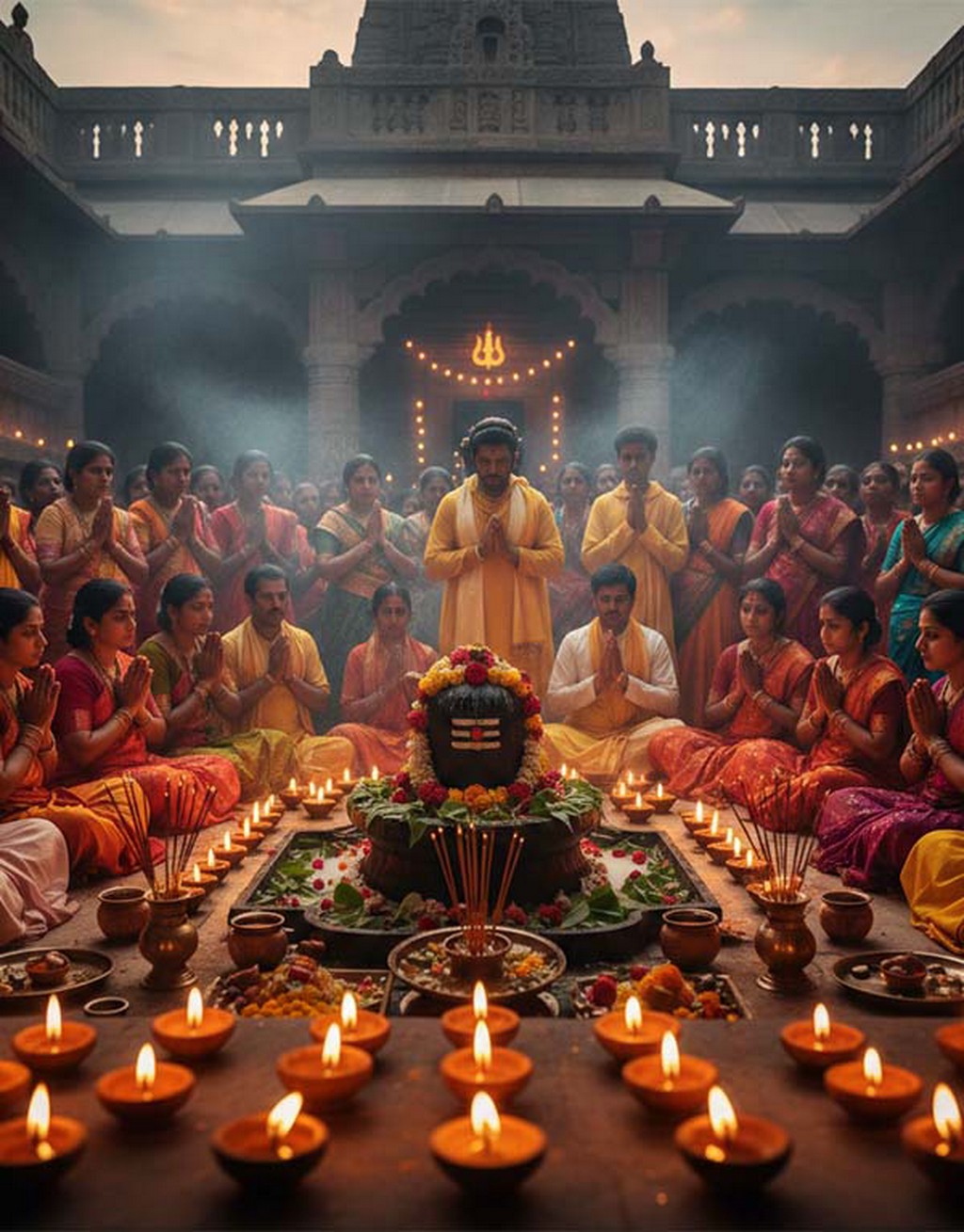
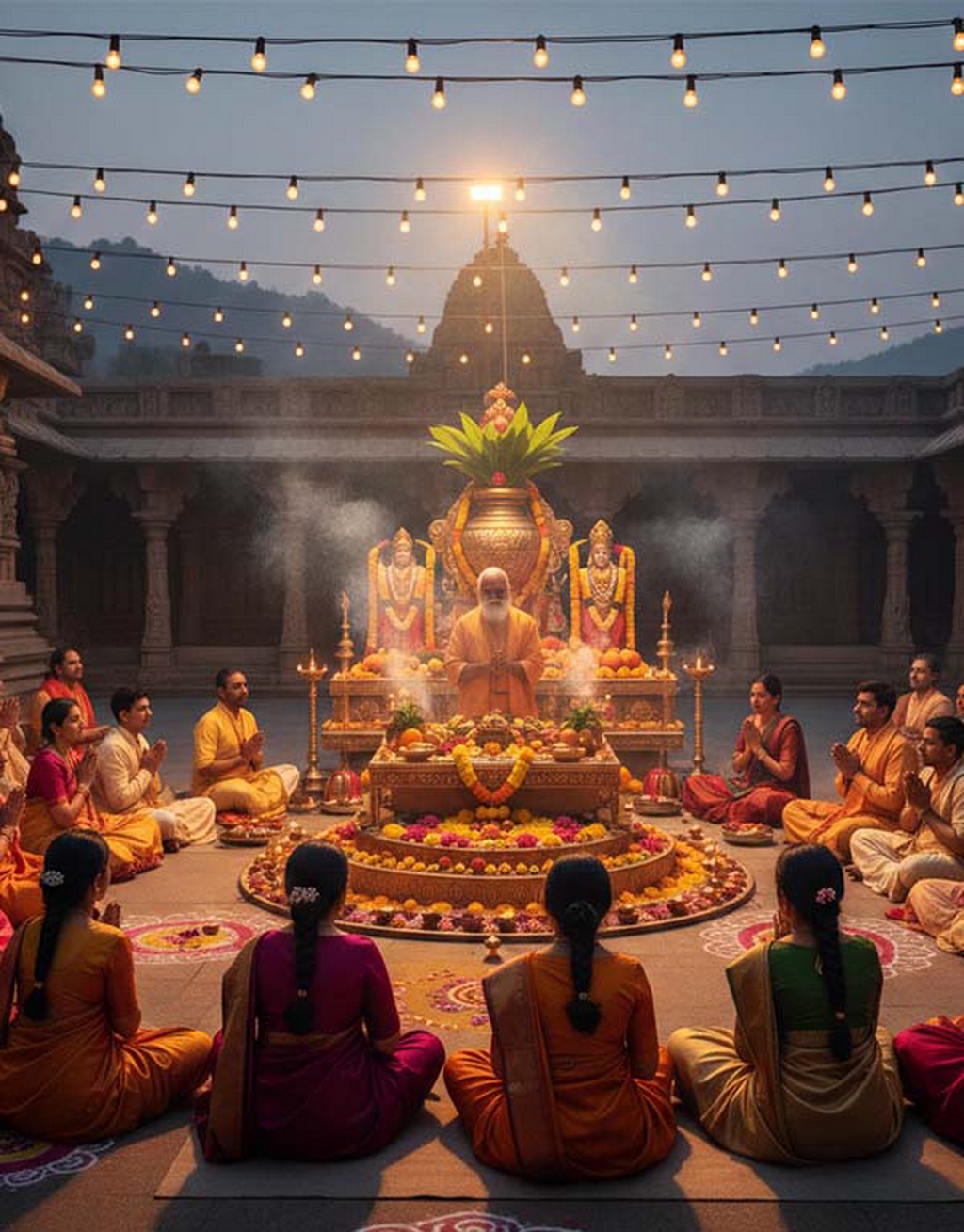
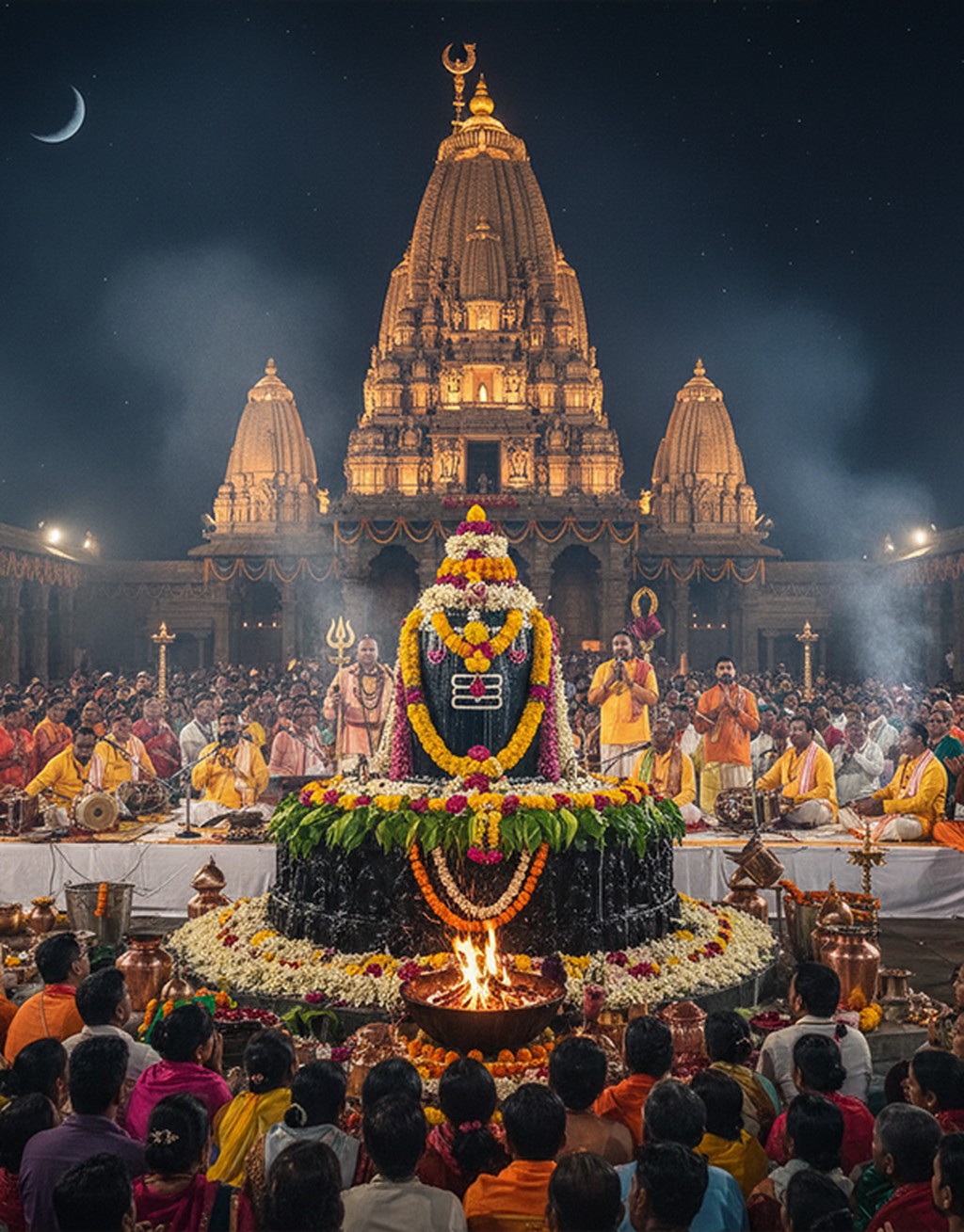
Bhairav Pujan Path
Performing the Bhairav Pujan Path (rituals and recitation of Bhairava hymns, like the Kaal Bhairav Ashtakam) is believed to remove obstacles, provide strong protection against negative energies, and overcome the malefic effects of planets like Saturn, Rahu, and Ketu. It helps alleviate fear, anxiety, and stress while fostering courage and spiritual growth.
Vedic astrology strongly recommends Bhairav worship to reduce the malefic influences and malefic transits of Saturn, Rahu, and Ketu. As a fierce deity of justice, Bhairava is invoked to help devotees achieve victory in court cases and resolve disputes.
The Deity: Who is Lord Bhairav?
- Fierce Manifestation: He represents Lord Shiva’s destructive energy used to defeat evil and protect the universe.
- Lord of Time: “Kaal Bhairav” translates to the master of time (Kaal), teaching devotees to value time and face mortality without fear.
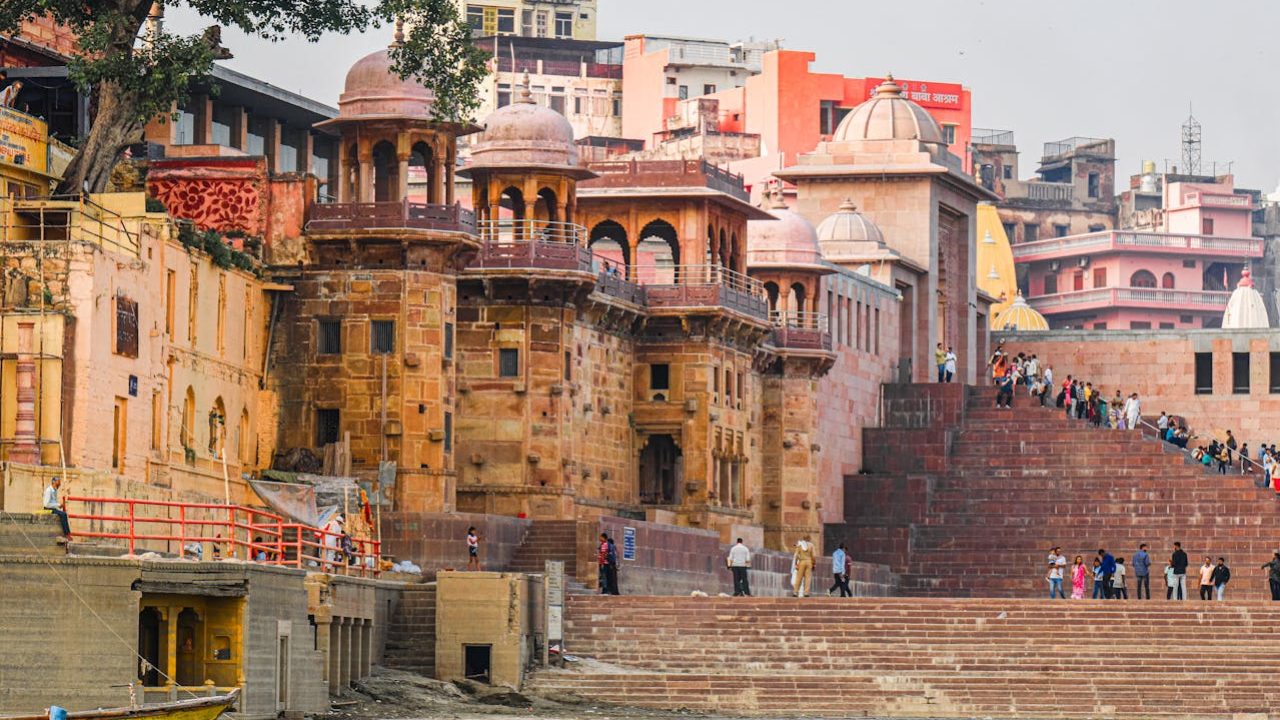
- The Guardian: He is traditionally worshipped as the Kotwal (divine guardian or protector) of sacred spaces, most famously of the holy city of Varanasi.
The Ritual: What Happens During the Puja?
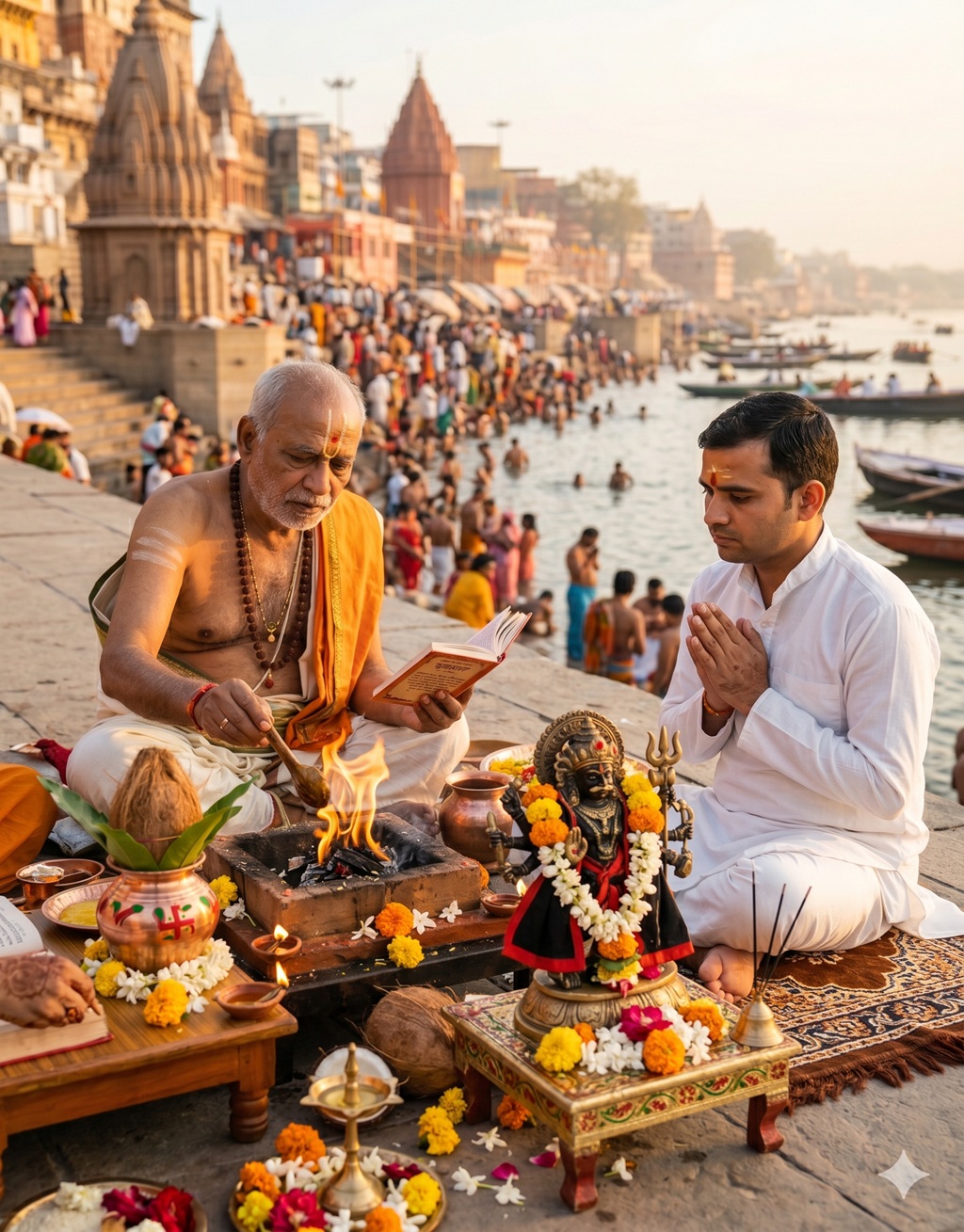
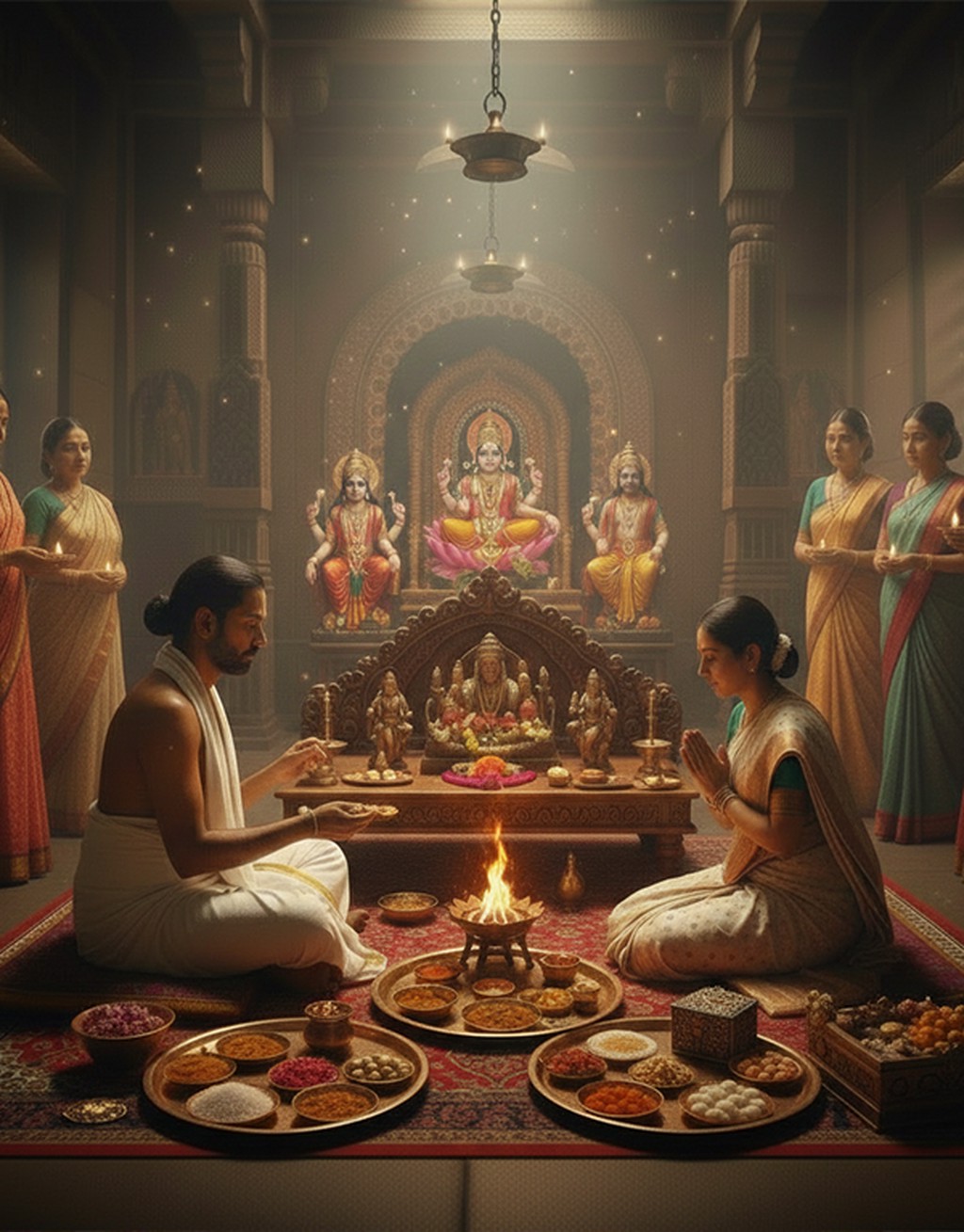
- Offerings: Unlike gentler deities, Bhairav is uniquely offered sesame oil (til tel), mustard oil, black sesame seeds, blue/purple flowers, and specific sweets like imarti or urad dal vada.
- Sacred Chanting: The core of the puja involves reciting powerful hymns. The most common scriptural path is the Kaal Bhairav Ashtakam (an eight-verse hymn composed by Adi Shankara), alongside the chanting of specific Bhairav mantras.
- Timing: The puja is traditionally performed in the evening or at night. It is considered exceptionally powerful when done on Ashtami Tithi (the 8th day of the waning moon phase) or on Saturdays and Sundays.